Our Solution / Clinical Coordination Center
Experienced 24/7 clinical coordination for advanced therapy care
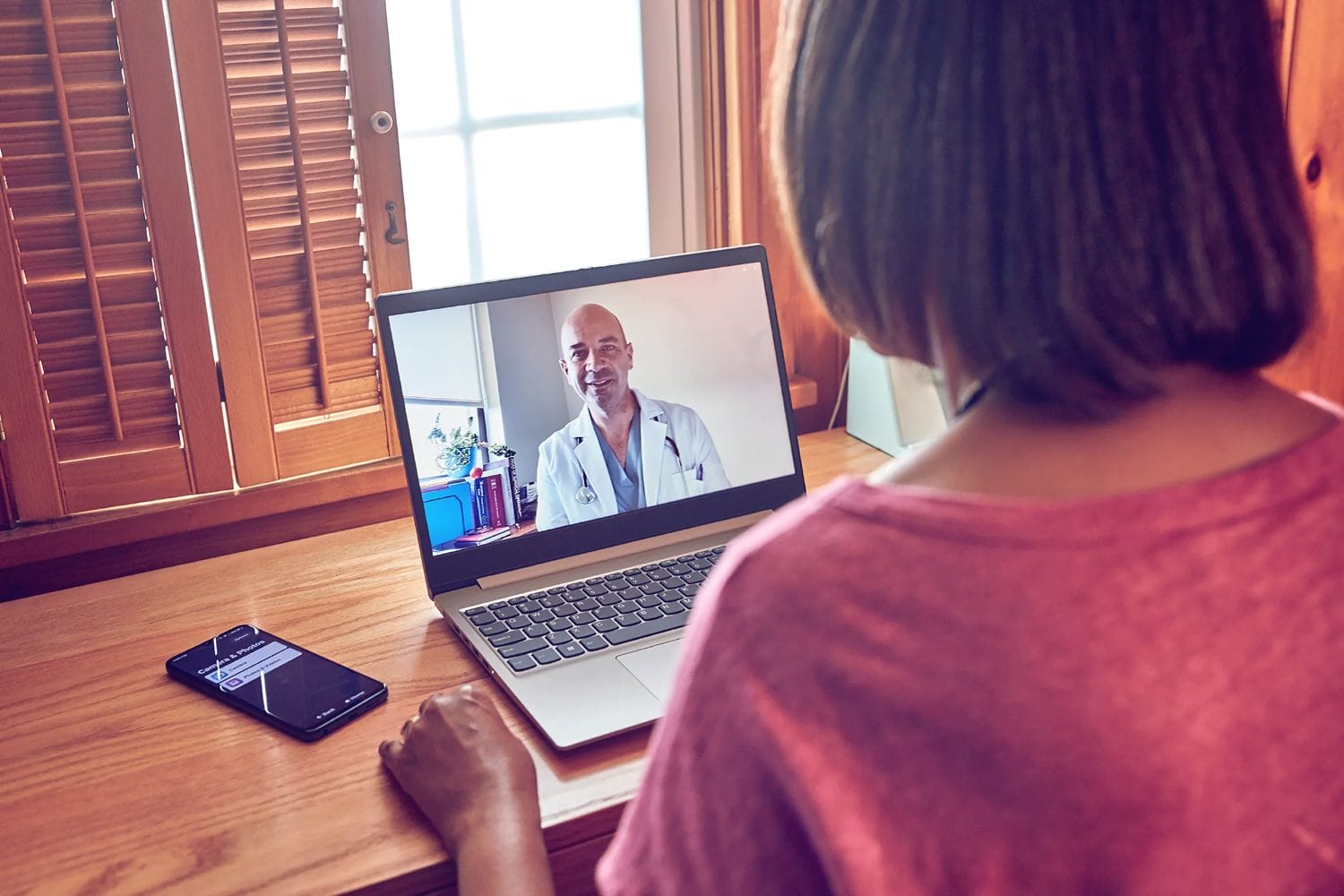
Our nurses, drawn from ED and ICU, provide 24/7 clinical coordination as an extension of your team, from the first alarm through treatment under your standing orders, escalation, and documentation. They are what makes outpatient and community advanced therapy programs possible to run, and possible to scale.

2 min
from alarm to outreach to the patient or caregiver
20,000+
advanced therapy patient monitoring days
22%
higher monitoring adherence when our Clinical Coordination Center is part of the model
24/7
nurses licensed in all 50 states
Why it matters
24/7 clinical coordination makes outpatient delivery easier
Moving advanced therapies out of the hospital depends on maintaining clinical oversight and managing evolving care needs. A wearable or a check-in can show that something changed. Someone still has to reach the patient, decide what it means, and act.
Most alerts arrive overnight, making outpatient and community models a staffing challenge. Our nurses take that first line of response for your program, resolve what can safely be managed at home, and bring your team in when your protocols call for it.
80%
of patient issues resolved by our nurses under protocol, without site escalation
Across Current Health programs
55%
of clinical alerts occur in the 8 overnight hours
Sarah Cannon
How our team helps
How our clinical team supports patients and your care team
One team covers both sides of every episode. Patients and caregivers always have a nurse to turn to, and your clinicians get notifications when their decision is needed, with documentation of actions taken under your protocols.
With patients and caregivers
A nurse to turn to, day or night
Welcome and onboarding
A walkthrough of the kit and a clear plan for what to watch for.
Scheduled check-ins
Outreach between alerts, plus follow-up when a device goes quiet.
Virtual ICE assessments
Neurotoxicity screening over video, at your protocol's intervals.
Tuck-in calls
A check-in before bed, so families sleep knowing someone is on watch.
Always reachable
Patients and caregivers call the number on their escalation card or tap the app button, and one of our nurses answers any question, day or night, with live translation on calls and chat.
In-home care coordination Beta
We arrange labs, fluids, steroids, antibiotics, and tocilizumab in the home with local providers, when your protocols call for it.
With your care team
What needs you, with the work done
Every alarm assessed
A nurse reviews each clinical alarm and, where appropriate, calls the patient or caregiver to understand what is happening.
Resolved under protocol
What can be managed at home is handled at home, without paging you.
Treatment under standing orders
Protocolized treatment begins as directed by your treating team.
Escalation with the full picture
Your on-call clinician gets a clear summary and the history behind it.
Transfer and a call ahead
Routing, transport, and a briefing for the receiving team.
Documented and reported
EHR documentation and program reporting by site and therapy.
Built to scale
Built to help advanced therapy programs grow
When clinical coordination is in place, adding patients, physicians, therapies, or sites no longer means adding a 24/7 staffing model of your own.
No new overnight staffing
Our nurses provide round-the-clock first-line coverage, so your program doesn't need full coverage of the night shift.
Protocols built for your site
Escalation pathways, thresholds, and standing orders are set with your clinical leads, so your physicians trust how every patient is managed and feel confident sending more patients home.
The same team in every model
Whichever monitoring model a therapy calls for, patients are supported by the same Clinical Coordination Center.
Fewer unnecessary ED visits
Resolving concerns at home helps prevent unnecessary ED visits and hospitalizations, and the escalations your team does receive are the ones that need a physician.
Our nurses
Deep advanced therapy experience
Our Clinical Coordination Center is staffed by nurses drawn from ED and ICU, who have cared for more advanced therapy patients beyond the hospital than any other team.
20,000+
advanced therapy patient monitoring days
Rounds, not just alarms
Our nurses review each patient's data on a schedule, every 4–6 hours, so they can spot a slow drift before it sets off an alarm.
Licensed in all 50 states
Coverage 24/7/365, wherever your patients recover.
Multilingual, with live translation
Patients and caregivers are supported in the language they're most comfortable with.
Branded to your program
Our nurses answer in your program's name and identify themselves by name and credentials, so patients have one number to call and know who is caring for them. In sponsor-funded programs and clinical trials, our role is disclosed to patients.
In their words
What patients and caregivers say about our team
“Thank you for letting us sleep at night... knowing you all are watching over my husband.”
Caregiver
“It puts you at ease when you know we don't gotta watch everything and someone else is looking after her too.”
Caregiver
“Thank you all very much for walking this journey with [patient] and keeping him safe and healthy. You all are marvelous.”
Caregiver
How we work with you
Your protocols, with full visibility
Our nurses work inside the clinical framework your team sets, and every action they take is visible to you.
Protocols
Escalation pathways, on-call rosters, standing orders, and your admission route, to your own unit or a partner hospital, are agreed during onboarding. We train your team and run a dry run before your first patient, and where a partner hospital receives your patients, we provide briefing materials for its ED.
Escalation
Your team is contacted when your criteria are met, with the clinical picture attached.
Documentation
Every interaction, nursing note, and action is recorded in our dashboard and synced to the EHR.
Reporting
Program dashboards show outreach, escalations, response times, and call volume by site and therapy.

“The biggest thing is Current Health delivers 24/7 nurse oversight and dedicated remote nurse triage. They’re always watching our patients. So we know when we can’t be there, Current Health can.”
Tricia Estacio, RN
Director of Nursing for Parnassus Infusion & Apheresis, UCSF Health
See what our clinical team can take on for your program
Tell us what you're working on, and we'll show you how clinical coordination fits your therapies, sites, and protocols.